







Ръководство за кафе бленд. На какво да обърнете внимание?
Както за някои от вас е известно, ние от “Martines” сме една от малкото фирми на българския пазар, които предлагаме на нашите клиенти възможност с общи усилия да създадем специален и уникален кафе бленд, с който могат да впечатлят своите потребители. И точно поради този факт, избрахме фокус на новата ни статия да бъде именно кафе смесите. Какво е добре да знаете преди да преминете към съществената част - неговото създаване? Кои са важните детайли, на които трябва да обърнете внимание? Ако в момента се намирате в такъв етап и обмисляте създаване на ваш уникален кафе бленд, със сигурност следващите редове ще са ви полезни и интересни.
Какво е кафе смес (бленд)?
Предполагаме, че самото наименование е достатъчно ясно, за да можете да разберете всъщност какво е кафе бленд. Но въпреки това, точната му дефиниция е: смесване на две или повече кафета. Те могат да са от различни сортове, страни или региони. Целта е да се анализират най-добрите качества на всяко от кафетата и смесвайки ги да създадат балансиран, възхитителен и последователен вкусов и ароматен профил.
Основни стъпки:
- Като за начало е добре да помислите за кафетата, които ще миксирате при създаването на вашия бленд. Въпреки че има много информация, насочваща кои кафета са най-предпочитани при смеси, ние смятаме, че това е строго индивидуално. По-важното е да си отговорите на един важен въпрос: “Какво харесват моите клиенти?”. Има толкова голямо разнообразие, което ви помага да измислите вашата уникална смес, която да заинтригува любителите на напитката. И все пак, ако не сте специалист, който е подробно запознат с различните кафета, вкусови профили и нотки, е желателно да се обърнете към такъв, който със сигурност ще ви помогне и насочи най-правилно.
- Би било добре да сте наясно какъв ценови клас търсите. Ако искате вашият бленд да е с по-висока цена, то тогава определено ви съветваме на наблегнете и на по-високо качество на Арабика и Робуста. Не изключвайте и възможността да създадете няколко различни бленда, за да може да покриете нуждите и желанията на по-голяма част от вашите клиенти.
- Срещат се различни блендове, включвайки например 70% Арабика и 30%Робуста или 50/50. Също така могат да бъдат и 100% Арабика. Имайки предвид, че главно българските потребители предпочитат по-ниска киселинност и плътно тяло, трябва добре да обмислите различните вариации в процентите.
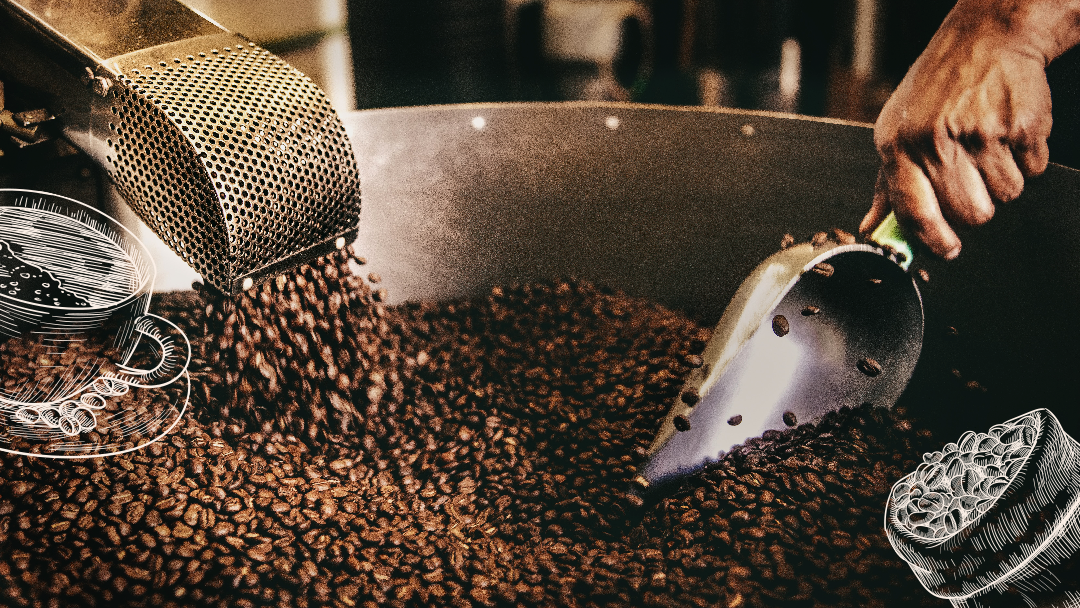
- Препоръчваме ви да се обърнете към добър пекар, с който да обсъдите и още една важна стъпка. А именно, как ще се смесват и пекат кафетата от вашия бленд. Практиката сочи, че има два варианта - кафетата се смесват предварително и след това заедно се пекат. Положителното в този начин е, че се спестяват време и ток. Вторият вариант е: първо се изпичат кафетата отделно и чак тогава се миксират. Може би това е по-масово срещаният подход, тъй като кафетата Арабика и Робуста изискват индивидуално внимание. Но разбира се, подходът отново зависи изцяло от вас. Например нашият сертифициран пекар подготвя бленда ни Espresso Doro – всички кафета заедно, защото тяхната специфика го позволява, а Espresso Crema и Espresso Rosso - индивидуално, като всяко от различните кафета за смесите се изпичат отделно и чак след това се комбинират. Така сме сигурни, че сме приложили най-оптималната техника по време на процеса - печене.
Надяваме се тази статия да ви е била от полза, ако планирате за бъдеще създаване на ваш специален кафе бленд. И въпреки това, ако информацията по-горе не ви е била достатъчна или са възникнали въпроси, не се колебайте да се свържете с нас, за да можем да ви предоставим това, от което се нуждаете.
Оставете коментар