





Guide for the different roasting levels
Every second count!
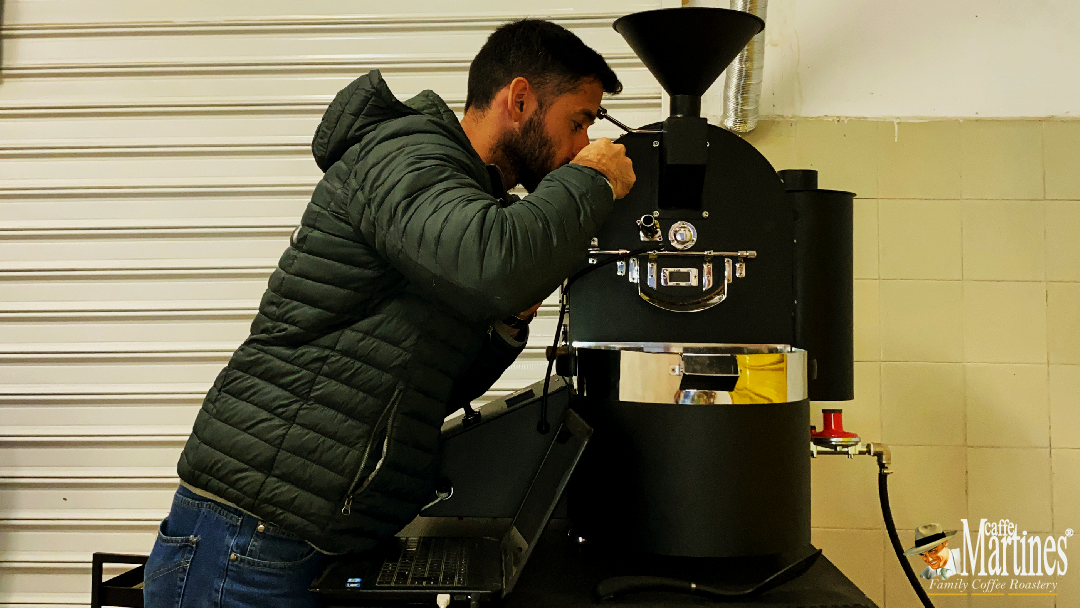
As we mentioned in our previous articles, each stage of the coffee chain is highly significant so that the result - the final drink, will be enjoyable. For that reason, we choose the current topic, determined to different roasting levels. But before we get to details, it's important to mention that many people think it's an easy job, but we'll disappoint you by telling you it isn't. Roasting coffee is a skill, an art, and a science, gained by years of practice and attempts to master it. It requires diligence and a careful approach to each coffee.
Before the coffee is ready for consumption and to look as you know it, the color of the raw beans is green and in this form can be stored for a longer time without losing its quality and taste. Green coffee is very hard, almost impossible to break, and the smell is specific - reminding grass.
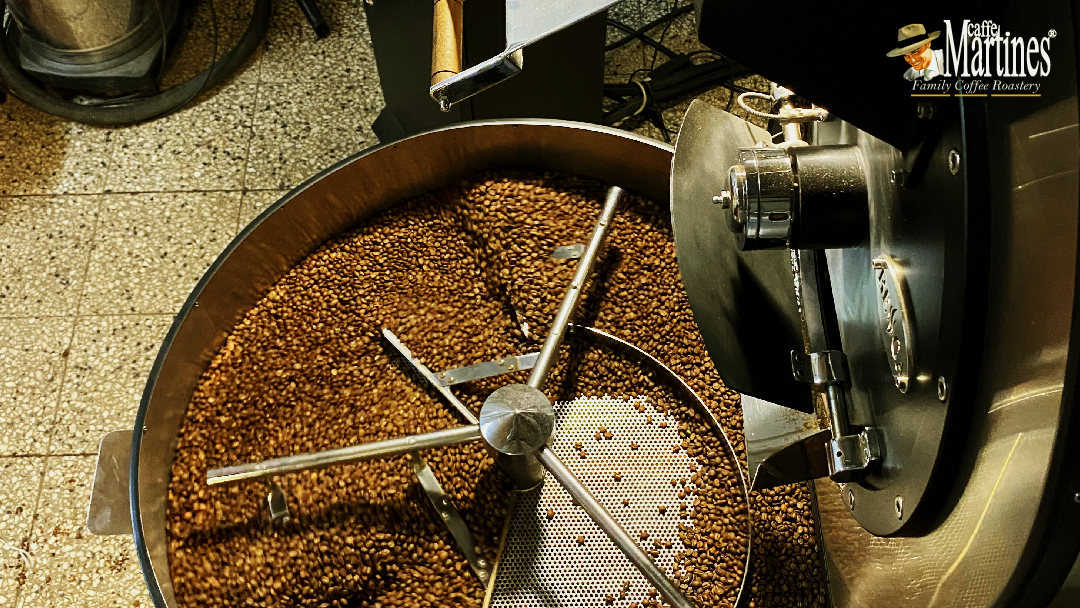
When the raw material is available, the roasting process follows. It is difficult and at the same time important because that is the point when the structure and tastes of the beans change. During the roasting process, every second counts because a moment of distraction could turn the perfect coffee into a "coal".
Regarding the roasting levels, there are four main ones: light, medium, medium-dark and dark. However, the terms used in the coffee industry varies, such as light levels might be called: "Light", "Half City", "Cinnamon", "New England"; the medium levels are: "City", "American", "Breakfast"; the levels defining medium-dark are: "Full city", "Full city +", "Vienna", "Northern Italian"; and the dark roasting levels are: "Bold", "Dark", "Italian", "French".
Light roast
To this level, the coffee beans are light brown, with a light/soft body, and pronounced acidity. The taste characteristics of the coffee itself are preserved to a greater extent. When the roaster's temperature reaches about +/- 180° C, the coffee beans begin to crack and expand in volume. This process is known as "the first crack". This level is used in professional tasting/ cupping, as it is best to find the taste of coffee from different varieties and origins.
Medium roast
To this degree, the coffee beans are medium brown, with more body. The taste, aroma, and acidity are balanced. At this roasting level, the coffee beans are roasted until the period - after the first crack and before the second crack.
Medium-dark roast
Medium-dark roasted coffees have a rich and dark color, and sometime you may see drops of oil on the surface of the beans short after roasting. The body is much denser compared to light or medium-roasted coffees.
Also at this level of roasting, the coffee beans are roasted just before the second crack. The taste of coffee can be slightly spicy with hints of caramel.
Dark roast
At this stage, the beans are dark brown (like dark chocolate) and sometimes almost black. They have a thin layer of oils on the surface, which present in the cup when the coffee is brewed. In general terms, when the beans get oily this is considered as not a good sign and should be avoided.
As for the taste is bitter and smoky. However it has been scientifically proven that this leve of roasted coffee is not recommended for regular use in a long term. It may affect our health.
Knowing about the different roasting levels and their specifics it is important to emphasize the fact that once the coffee is roasted, the taste essences begin to develop and slowly decompose. Despite the wide variety of packaging and storing options and no matter how innovative they are, do not underestimate the roasting date. Because they might slow down the aging process of the beans but no to stop it. That is why we would advise you not only to pay attention to the roasting level but also to make sure your coffee is always freshly roasted. We hope you find this article helpful for your next coffee order.
Leave a Comment