

Meet the specialty coffee: Rwanda "Let's love coffee" from Rwanda

Our new mini-section Meet the specialty coffee is coming to an end as in our current article, we will present the fourth out of five specialty coffees. Each of them has a gripping story that deserves to reach more coffee lovers, a mission, that supports the development of the industry worldwide, and last but not least, the unique taste, that should be tried by any fan of espresso. That is why we at Martines have chosen to supplement our offer with them. And, in the lines below, we will reveal to you the curiosity about the whole process from growing to the cup of specialty coffee Rwanda "Let's love coffee" from Rwanda.

1. Origin and history
The Dukunde Kawa Cooperative was founded in 2000 and is one of the largest in Rwanda, with over 2,100 members whose farms vary between 1,700 and 2,000 meters above sea level. In fact, "Dukunde kawa" means "Let's love coffee" in Kinyarwanda, which is the local language. Among the farmers part of the cooperative, about 80% are women.
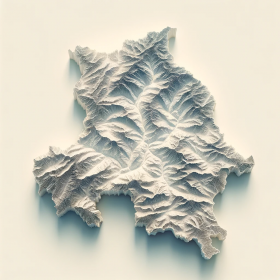
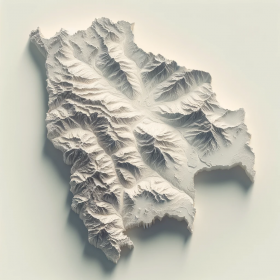
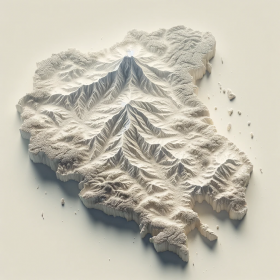
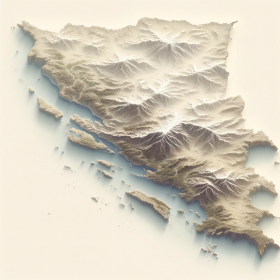
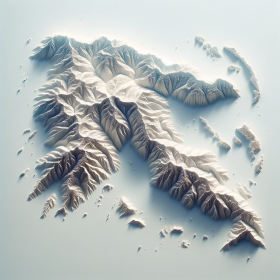
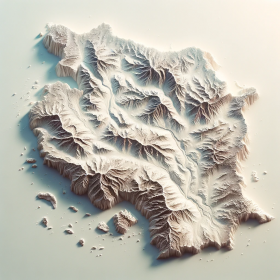
It is important to note that the Gakenke region, where coffee grows, is located in northwestern Rwanda near the National Park habitat to one of three populations of endangered mountain gorillas in the world. Like much of this country, also called the "land of a thousand hills" the terrain is mountainous, rugged, and extremely beautiful. Rich volcanic soils, abundant sunlight, and tropical rainfall provide exceptional conditions for growing Arabica coffee, and the Bourbon variety stands out, especially in the highlands of Rwanda.
Small farmers have small plots of land where coffee trees are planted along with other food crops in the family's backyard. The cooperative enables these producers to combine their batches and process them using high-quality methods. Dukunke Kawa provides them with loans to pay school fees and medical expenses, a milk pasteurization facility, and agricultural training.
In 2003, the cooperative built a washing station with funds provided by the Rwandan government. In return for this support, Dukunde Kawa donates 10 percent of its net profits per year to finance the construction of other washing stations in Rwanda.
Certified by the Fairtrade & Rainforest Alliance in 2004, Dukunde Kawa assures a high standard of living for farmers in Rwanda by providing access to an economically and environmentally sustainable coffee industry. Before starting a trend with cooperatives such as these, small farmers in Rwanda had to sell semi-processed beans to intermediaries, receiving lower incomes and meeting a lot of difficulties. Currently, the situation is different and is entirely in favor of each member of Dukunde Kawa.
Dukunde Kawa built two schools for local children in 2006 and loans its members' long-term interest-free credit. In addition, many farmers needed renovations to their homes and now have tiled roofs instead of straw.
2. Processing and characteristics
And regarding the way of processing this specialty coffee, the process goes as follows: after handpicking the ripe beans, the coffee is processed and left to ferment Aerobically for 12 hours plus 18 to 24 hours of soaking in water. However, to ensure that only the best beans will remain for export, they are sorted by hand twice. They are then left to dry in the sun on raised African beds for 14 days. The taste is characterized as apple, caramel, and strawberries.
It is worth mentioning that fully washed coffee was an unusual practice in Rwanda until 2000 when the cooperative was founded.
If you want to try this specialty coffee, you can find it in our online store. And as you already know, we promise our roaster Alexander to make sure the coffee is freshly roasted, especially for your taste and preferences. Do not hesitate, because the quantities are limited.
Leave a Comment